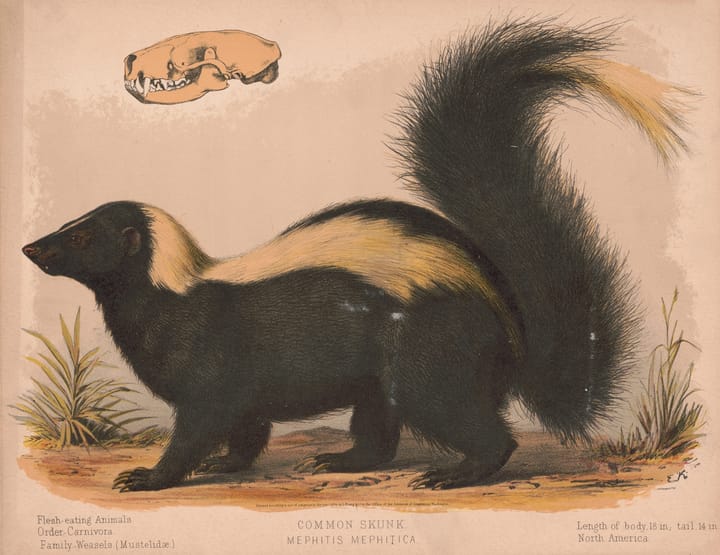
The Scent-sational Skunk and the Universe in a Drainage Ditch
Skunkiana: From Uranus to Cartoons to Beer and Cannabis to Chicago
Skunkiana: From Uranus to Cartoons to Beer and Cannabis to Chicago
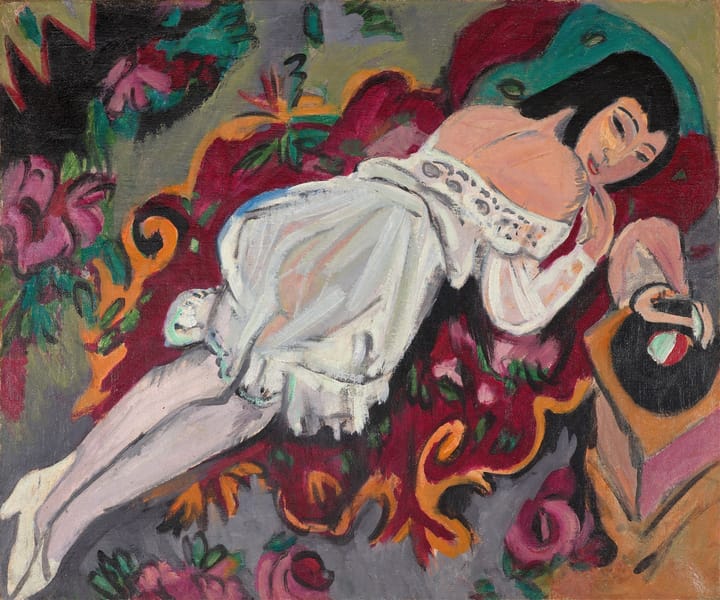
Mind the Gap or the Importance of Noticing
How we use words to avoid facing the truth
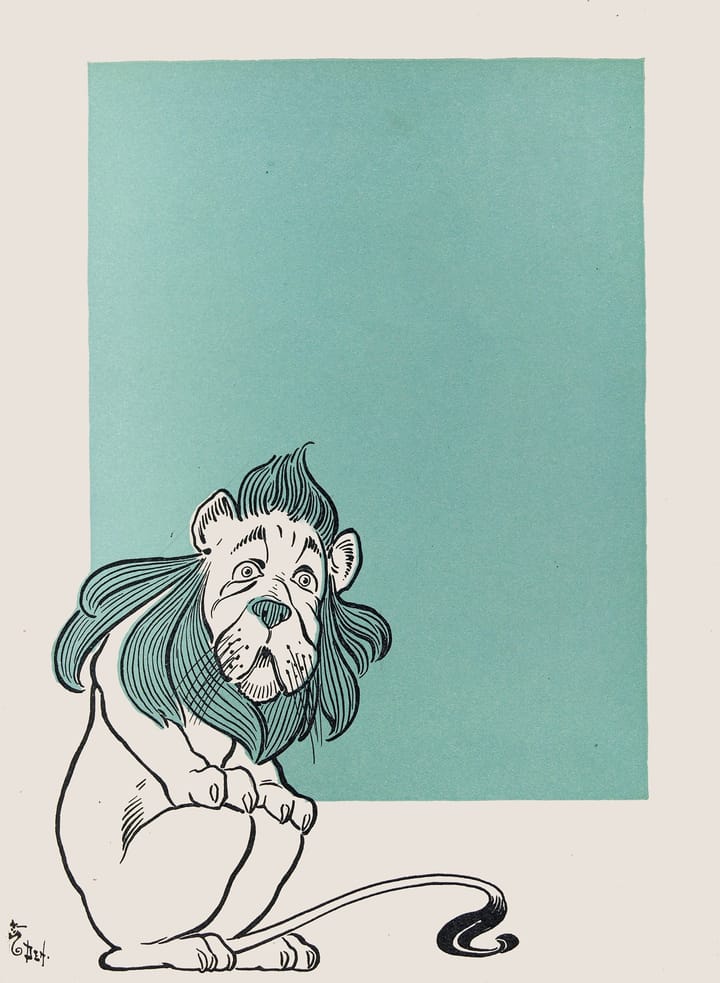
And Oprah's Twisted Gift of "My Truth"
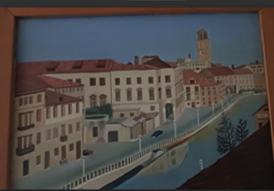
A Corner of Transgressive History
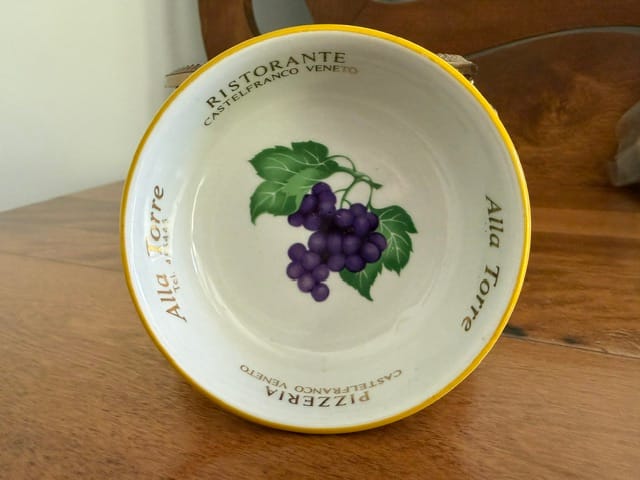
Objects have their own history, too

On highway noise, the loss of silence, and a splinter in the spirit.
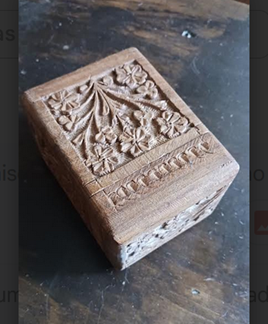
A story of desire and the patience of forgotten things.
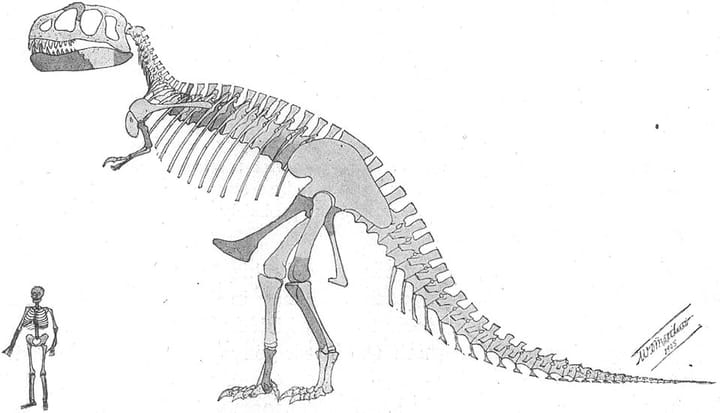
A kinder approach to suffering the indignity.
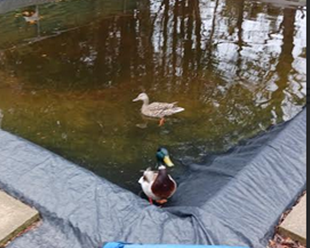
On homecoming — theirs and mine — and the land that holds us all without distinction.
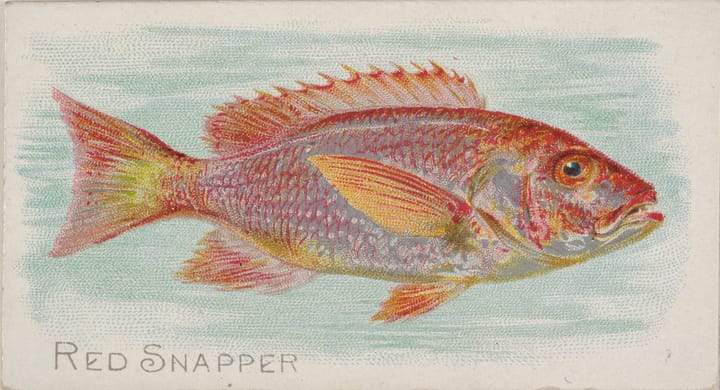
On the negotiable boundary between life and what comes after it.
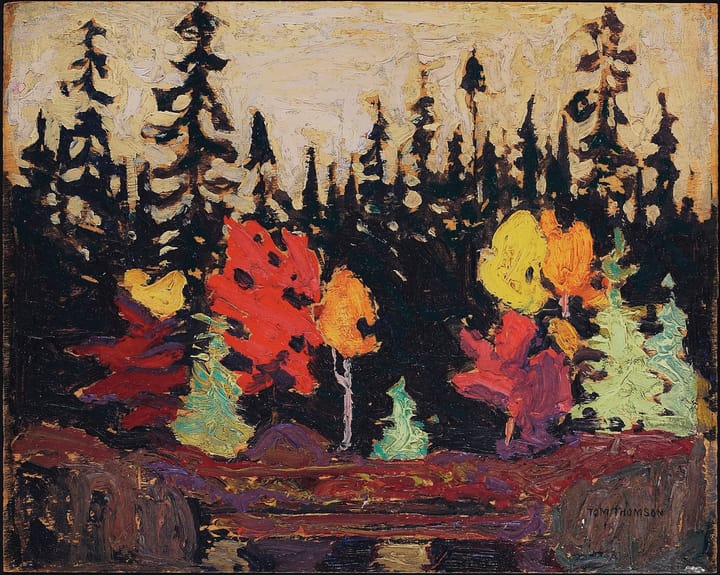
A story of when the distance between a told thing and an untold thing was believed to matter enormously.
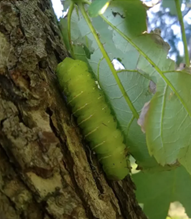
On parasitism, possession, and the collector who became the collected
There was a comedy game show on television not so long ago called “Whose Line is it Anyway?” The tagline was: Where the show is made up and the points don’t matter. I always thought that tagline could have been an insightful summary of the North American workplace. Was
All sacred things must have their place. It could even be said that being in their place is what makes them sacred. — CLAUDE LÉVI-STRAUSS , I am happy to report that “Cunctipotent” is a legitimate and bona fide word. Here is the definition as provided by the Oxford English Dictionary.
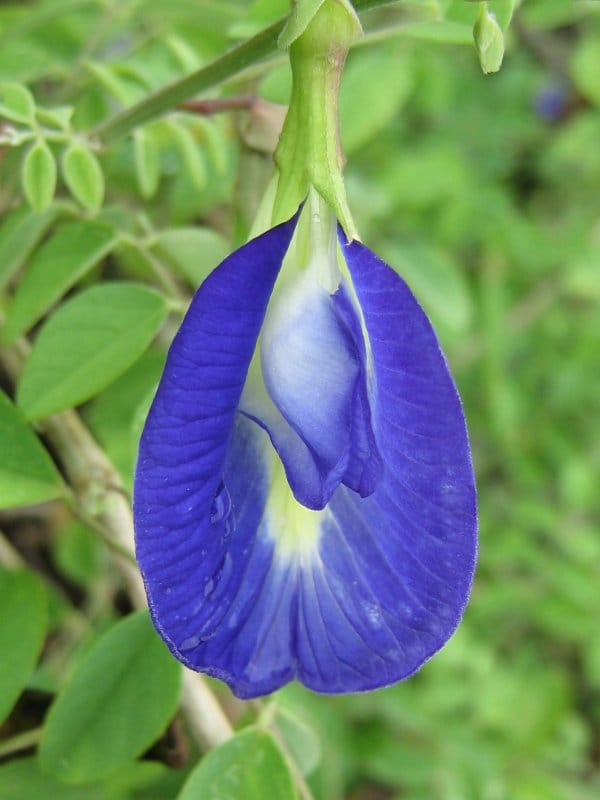
Yes, it looks like what you think. The first European description and reference to the plant was made in 1678 by a Polish naturalist Jakob Breyne, a brave naturalist who named it based on a resemblance to the clitoris. What’s in a Name? The Controversy Disturbed by the clear
All sacred things must have their place. It could even be said that being in their place is what makes them sacred. — Claude Lévi-Strauss Most etymologies tend to looks backwards from current usage to the possible origins of a given word. When looking into the concept of a “victim”
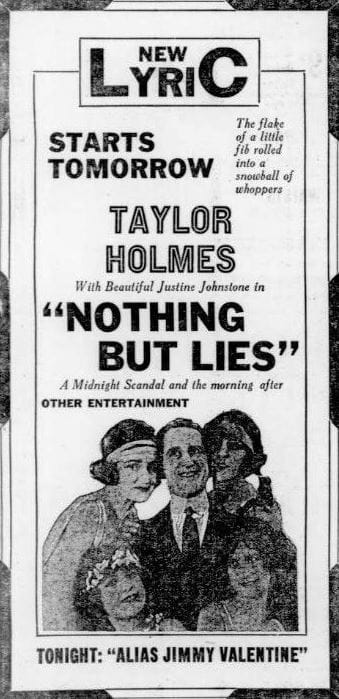
There is a word or meme that pops up from time to time on social media: It is “Werifesteria”. Here is a cropped image of a typical post citing this “word”: Does it matter that the word doesn’t actually exist in any dictionary and that it is not in
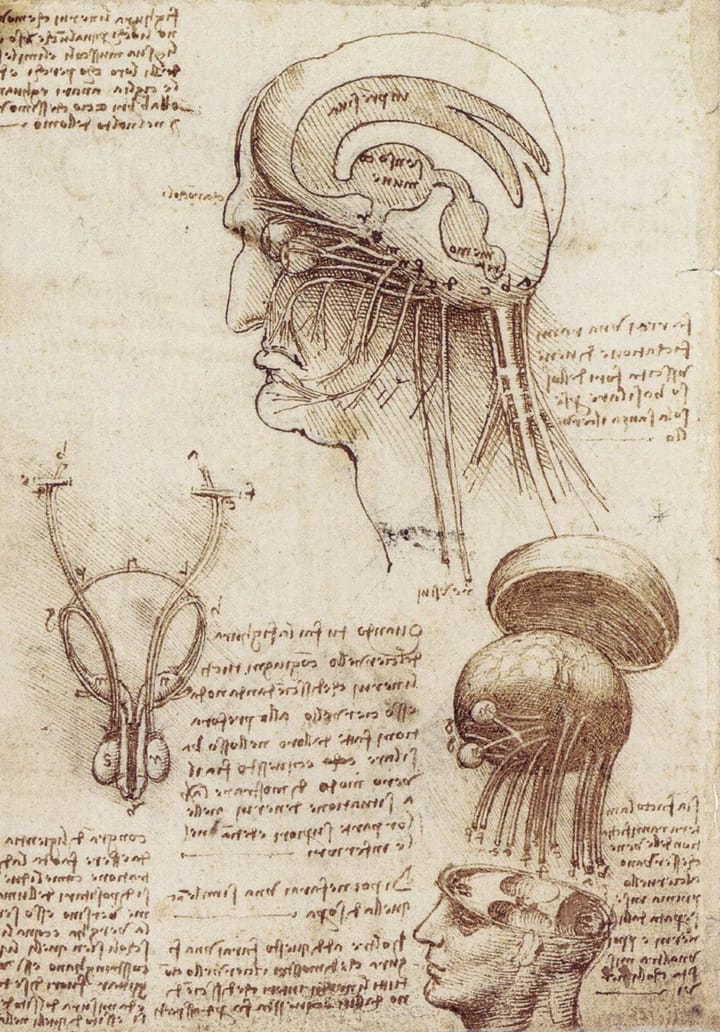
Several years ago I watched a wonderful film called “Awakenings” which was based on the autobiographical book of the same title by Dr. Oliver Sacks. When I originally chose to watch the movie, I had little idea of the subject-matter. The story follows Dr Sacks (played by Robin Williams)
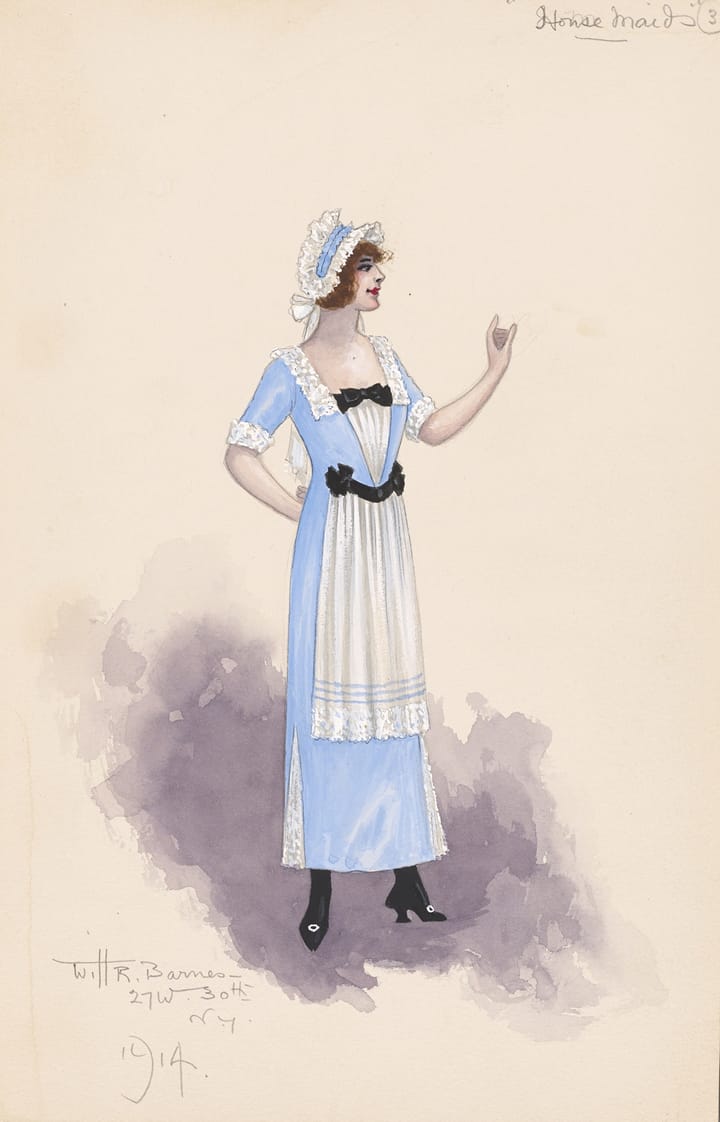
Recently, a commercial has been shown over and over again, and each time I see it I find it increasingly disturbing. It is disturbing because it is misleading, panders to the pretentiousness of potential clients, uses incorrect terminology, objectifies women and youth, and is breathtaking in its disdain toward workers.
At first, I was going to use the idiomatic expression “sea-change”. Then I double checked its present meaning, which gave me pause. The expression goes back to William Shakespeare in ‘The Tempest’ ; specifically in the song ‘Full Fathom Five’. A supernatural spirit, Ariel, is singing to Ferdinand, the Prince
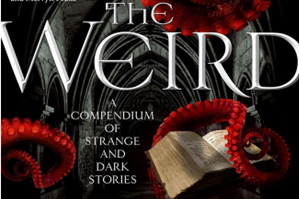
Recently the news has latched onto a comment made in the United States’ political arena, and now the word “weird” seems to be everywhere. The word itself has an interesting pedigree. Most etymologies tend to move from the present and go backwards through time, but let’s take a different
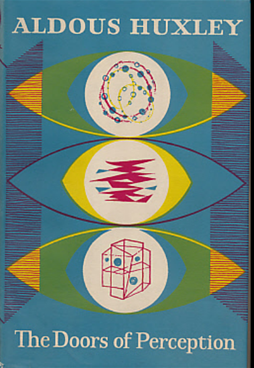
Back in what we might consider a more “conservative” decade it was a Canadian who, in 1956, coined the word “psychedelic”. The orthography took some time to settle, and in its early years it was sometimes spelled “psychodelic”. No longer quite so popular a term (see n-gram chart below)
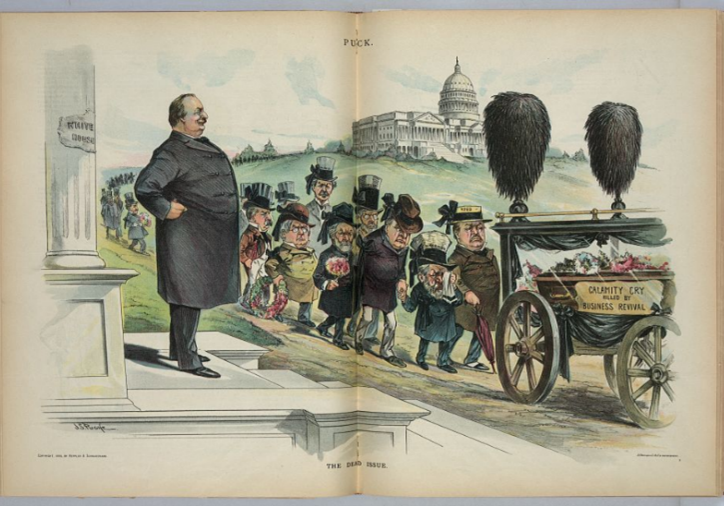
Oscan is an extinct language from southern Italy and was a close relative of Umbrian. Spoken by various tribes, it was a written language adapted from the Etruscan and scholars have identified inscriptions in Oscan dating as far back as prior to 300 BCE. There are remnants of graffiti in
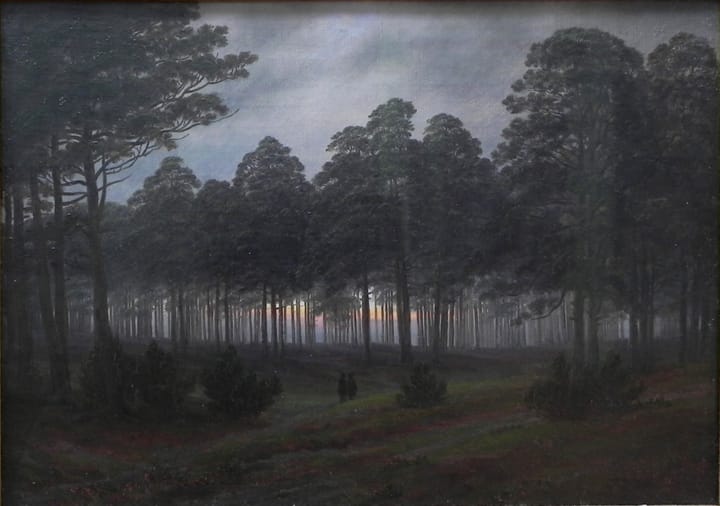
"Our hands imbibe like roots, so I place them on what is beautiful in this world" — St. Francis of Assisi When people think about German words without a one-word translation into English, they often default to “schadenfreude”, which describes the pleasure one might feel when witnessing the
Such a simple and commonplace word, and yet it has a moderately complex history. Intriguingly, it has almost been forgotten despite being not only a common and workaday term, but also a uniquely distinct word — a peculiarity in the English language. The word is believed to have originated from the
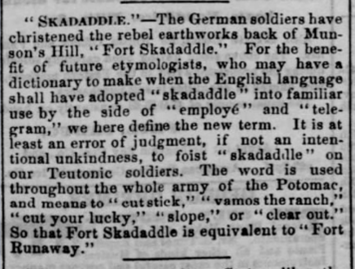
The Oxford English Dictionary: Distinguished, revered, venerated, respected, hallowed, culturally enshrined. Who could even think of suggesting that this monument, this monolith is not perfect? The mere notion could be considered iconoclastic at best, or heretical at worst. And yet, here we are. I did not set out to be
It's cloud illusions I recall I really don't know clouds at all — “Both Sides Now”, song by Joni Mitchell To name a thing is how we think we know it. There has been much investigation on how language affects our thinking. One famous study gave us
When describing a lexicographer, Samuel Johnson (1709-1784) opined that a writer of dictionaries was “a harmless drudge, that busies himself in tracing the original and detailing the signification of words”. Oh, Mr. Johnson, despite your erudition, you must not have savoured many of the exquisite joys of etymology. I

Sometimes they call it “brain fog”, or that the word one forgets is “on the tip of the tongue”. Some envision their brain as a huge repository of files, storing all sorts of information and that, for the moment, they can’t find the file. I conjure something different. Like