Finding Nemo… or Nema? Gender Fluidity in Nature
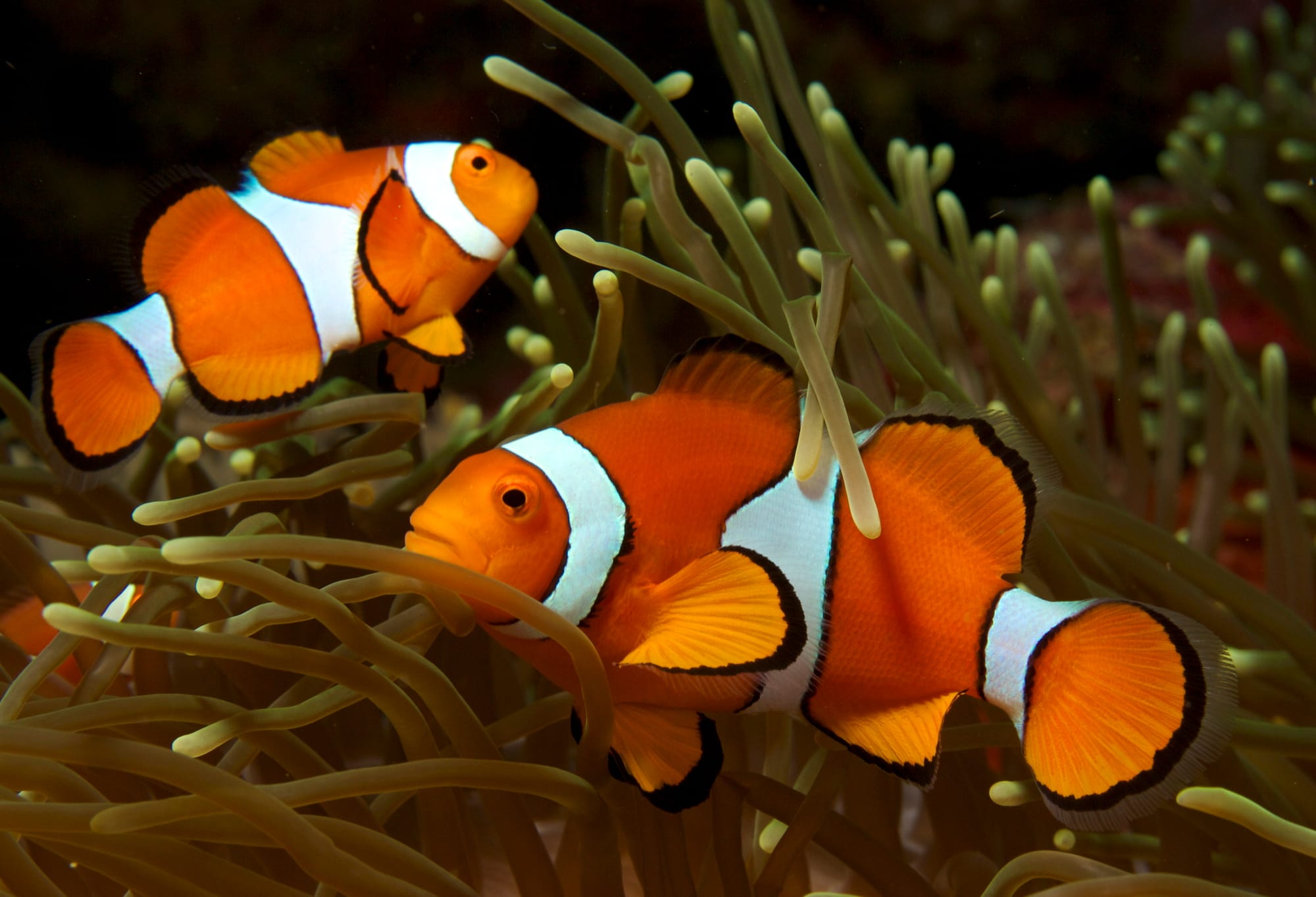
Many of us delighted in the Disney film “Finding Nemo” Several of the traits ascribed to various fish shown in the movie are relatively accurate, but some of the more fascinating characteristics of clownfish received no mention.
Clownfish have matriarchal societies and change their gender from time to time.
With Fronds like These, Who Needs Anemones?
Clownfish do live inside and around anemones The relationship is of mutual benefit: The anemone provides a protected environment for the fish, and the fish provides cleaning services for the anemone.
Listen to Your Mother
The clownfish live in small communities and their social structure is well-defined. The group is led by a dominant breeding pair, both of whom are larger than the other fish. Of the dominant pair, the female is larger and is most definitely in charge. She decides who lives in the community, the various rankings in the clownfish household, and it is she who defends the home.
When the dominant female dies, her male partner changes his sex to female and assumes the role of head-fish. In this sequence of events, the other less dominant fish move up the social ladder.
This process is termed sequential hermaphroditism and is not uncommon among fish and plants.
Circling back to the movie business, the 1964 film “The Incredible Mr Limpet” (another children’s movie) also has in its title a creature — the limpet — which is characterized by simultaneous hermophroditism. This regendering variation usually occurs where there is difficulty in finding another creature with whom to mate, and so allows the individual to procreate by themselves.
Maple Leaf Forever — Canadian Sequential Hermaphroditism
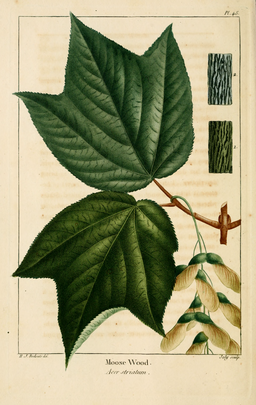
The same gender switching may be happening in Canadian and Northeast American gardens and woodlands at this very moment. The Acer pensylvanicum (no, not a spelling error), also known as the striped maple, whistlewood, moosewood, moose maple or goosefoot maple, is a maple tree that changes its gender as circumstances warrant. And it doesn't do so only once; it can switch back and forth several times over its lifespan, usually triggered by an environmental event. Oddly and interestingly, the final change is most often to female, where the tree will finally weaken and die.
An interesting side note is that the name “whistlewood” derives from the fact that early settlers found the bark was suitable for the carving of whistles.
Does any of this “matter”? Well, no, it doesn't deeply or profoundly matter. It does however shed a light on the wondrous nature of the world, where all sorts of variations are perfectly normal.
We, collectively (and politically), have much to learn from clownfish, maple trees and limpets.
I am reminded of a lovely quote from Robert Louis Stevenson in his 1885 collection “A Child’s Garden of Verses”. It is a single and simple line entitled “Happy Thought”:
The world is so full of a number of things
I’m sure we should all be as happy as kings.
Would you like to read other posts? If so, please click the Home Page link below:
You, Dear Reader, are much needed and appreciated.
Everything written requires a reader to make it whole. The writer begins, then you, dear reader, take in the idea and its image, and so become the continuation of its breath. Please subscribe so that my words can breathe. Consider this my hand, reaching out to yours.