Discernment or Despair
Outer quiet weighing down the inner shouting
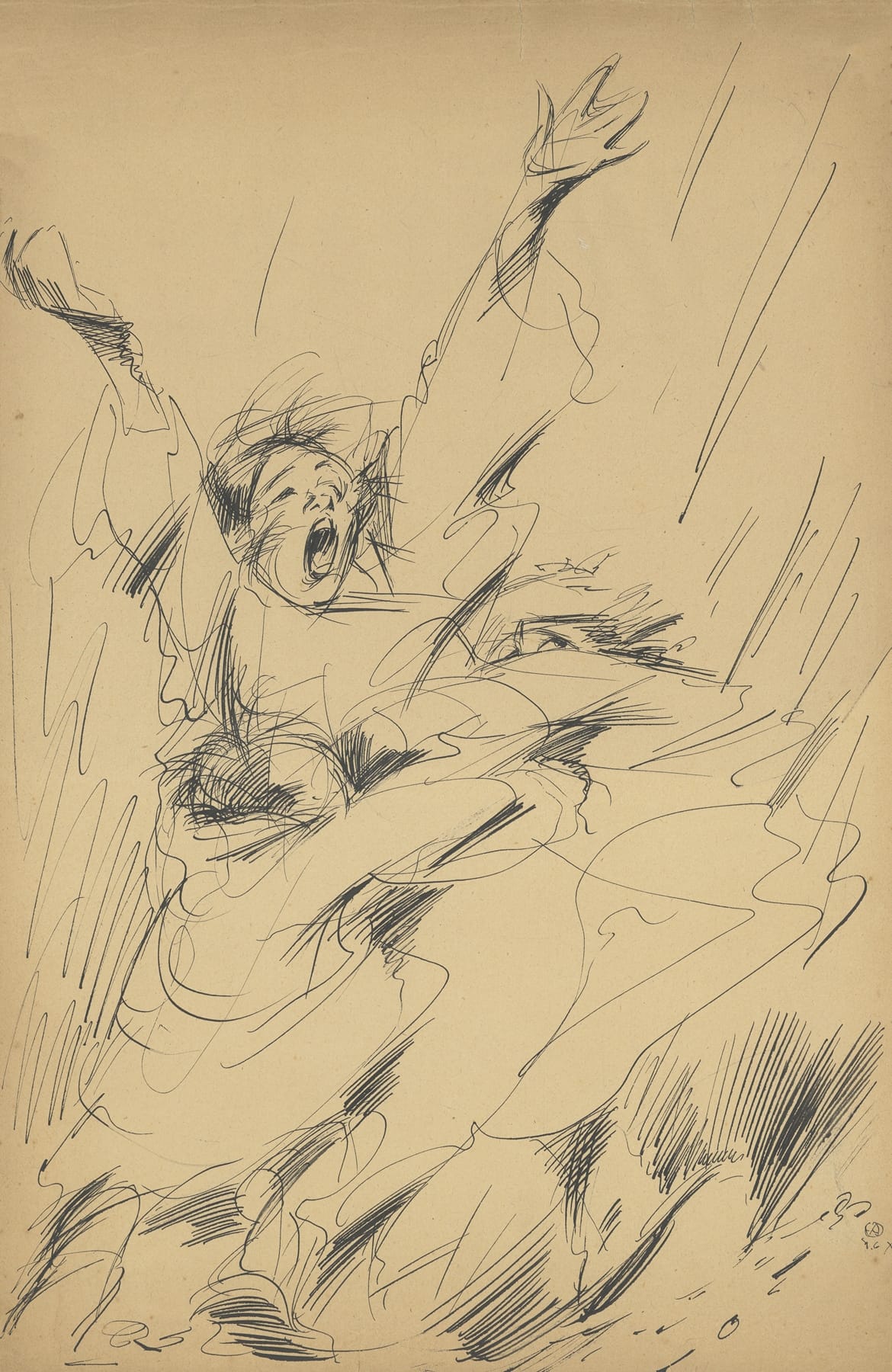
I don’t know “quiet” anymore. Or perhaps I do; it’s still a struggle but becoming less of one. Perhaps my conversational “quiet” is now discernment. Or despair sitting in the silence of futility.
The outer quiet weighing down the inner shouting.
I don’t know a face as neutral. Or perhaps I do, but I’m told my face shows my thinking, and likely not always in a good way.
I’m beginning to think that my voice will have to be a vocal version of “one size fits all”, where I no longer feel the need to curate my conversation to make it palatable to my audience. This is the version of quiet I cannot do fully any longer. Once I decide to speak, I may choose to have something of value to say: something true, something precise, something of curiosity or something disruptive.
Still, I am beginning to make more use of the “pause,” where I let the last remark issued in my direction land in the space between the hearing of it and the responding to it. And sit there without comment, with only the “face” staring at it — deciding whether to respond, move forward and engage, or opt for a form of social cowardice or lubrication; to discuss the benign, to come back from the edge, back onto the stolid ground of the mundane.
My voice, or my silence. I’ve waited so many years, earning both. Now, in my seventh decade, my voice has bones. Oddly, fittingly, it is part ghost bones of my mother, and her mother, and perhaps, further back, to voices I never heard but might recognize were I to hear them today.
My voice has bones.